
PILOT PROFILE • BIG SOUTH FORK AIRPARK
Will Armstrong learned to love airplanes from his own backyard. Nearly two decades later, he’s a recent aerospace grad, aspiring commercial pilot, and he’s just getting started.
Will Armstrong was seven years old when his family left Florida for the Cumberland Plateau, and the first thing that struck him wasn’t the runway. It was the leaves. He’d never really seen fall before — the mountains turning, the cool air, the kind of freedom you only get when there’s room to run. His father, B.A. Armstrong, was in the early stages of building Big South Fork Airpark. At the time, that meant one road, a Welcome Center, and a vision the kid couldn’t quite see yet.
The airplanes, though — those he got right away.
A neighbor took him up in a Cessna 421 not long after the family settled in. That was all it took. From then on, Will spent his afternoons around KSCX, watching airplanes, sorting out tail numbers, talking with pilots, and quietly making a decision.
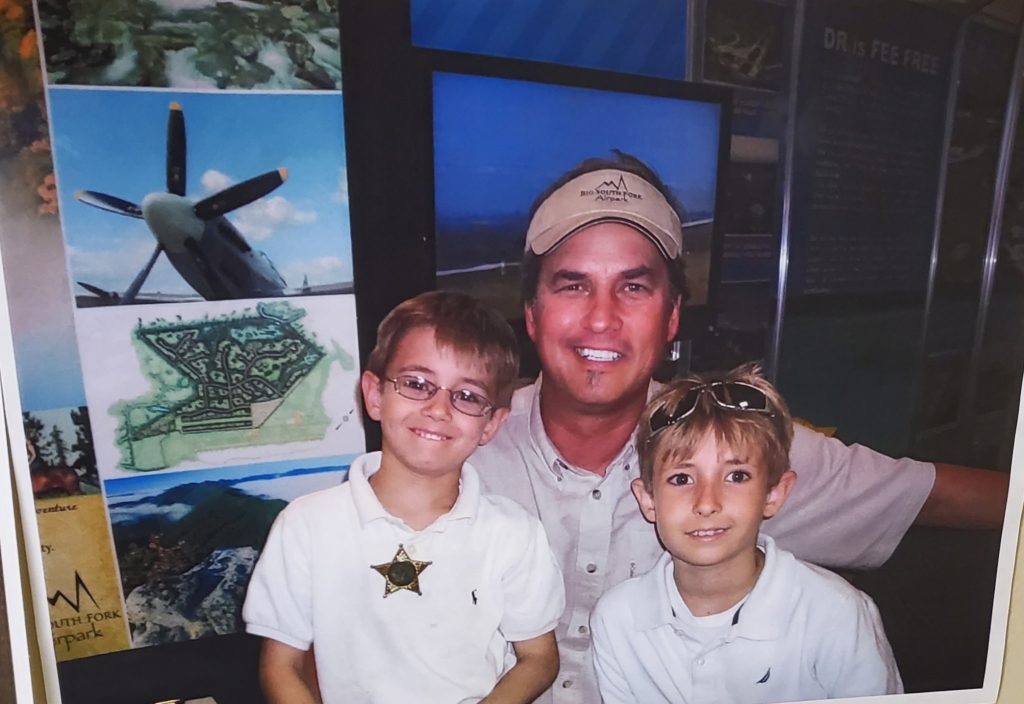
“As a kid, I was like — that could be me one day.”
It helped, of course, that the pilots flying off that runway were not strangers. They were neighbors. Karl Rogers, one of the Airpark’s original residents, became the kind of figure who watches a kid grow up and quietly invests in who he’s becoming. Ken Lemieux, a longtime resident, got him started with multi-engine training and engine out operations. Eric Whaley, another longtime resident, would later teach Will to fly the Cessna 150 he still logs hours in today. All have been pointing him toward opportunities ever since.
In 2020, Will enrolled in the aviation program at Middle Tennessee State University — one of the top-ranked collegiate flight schools in the country. COVID shut the program down almost immediately. He waited. By late 2021, training resumed, and over the next four years he earned his private, instrument, multi-engine, and commercial certificates, graduating in late 2025. He flew Diamond DA-40s with G1000 glass cockpits — modern, capable, automated.
And then he came home and went back to basics.
The Cessna 150 has six steam gauges and no autopilot. It is, by design, an airplane that refuses to fly itself. Will chose it on purpose. There is a running concern among older pilots about what they call “children of the magenta line” — young aviators who learned to manage automation before they learned to fly. Will heard that concern from the BSFA pilots his whole life, and he took it seriously.
“Flying the 150 sharpens your hand-flying skills. There’s no autopilot to bail you out. And honestly? It’s more fun.”
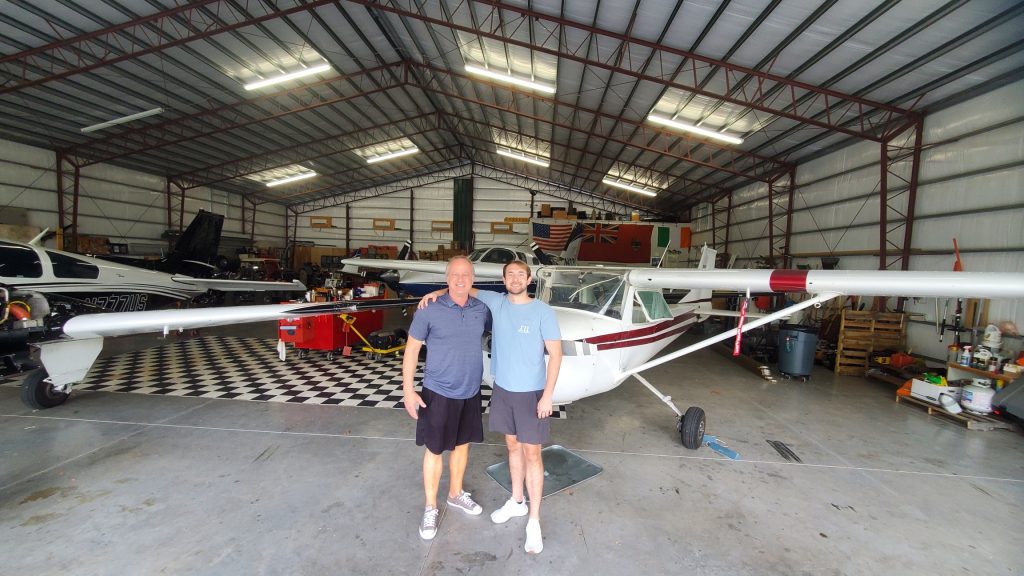
On the day of his interview for this piece, winds at KSCX were 14 knots, gusting 23, nearly direct crosswind. The approach and landing were smooth.
Will is at 750 hours now, working toward 1,000. He’s open to where aviation takes him first — cargo, charter, survey, aerial photography, whatever builds time and makes connections. Long-term, he’d love commercial routes. He’d also like to see the world from the cockpit — Europe, Asia, places he’s only heard about from the pilots here.
If you happen to know anyone hiring sharp young aviators, he’d appreciate the introduction.
He grew up here, after all. We’re a little biased.
For more information about our community please visit: https://bigsouthforkairparktn.com/services/